UK Budget 2025: Will it Help SMEs?

On Wednesday, 26 November 2025, Chancellor Rachel Reeves delivered her much anticipated budget statement. What were the key measures announced and what impact will they have on SMEs across the UK?

On Wednesday, 26 November 2025, Chancellor Rachel Reeves delivered her much anticipated budget statement. What were the key measures announced and what impact will they have on SMEs across the UK?
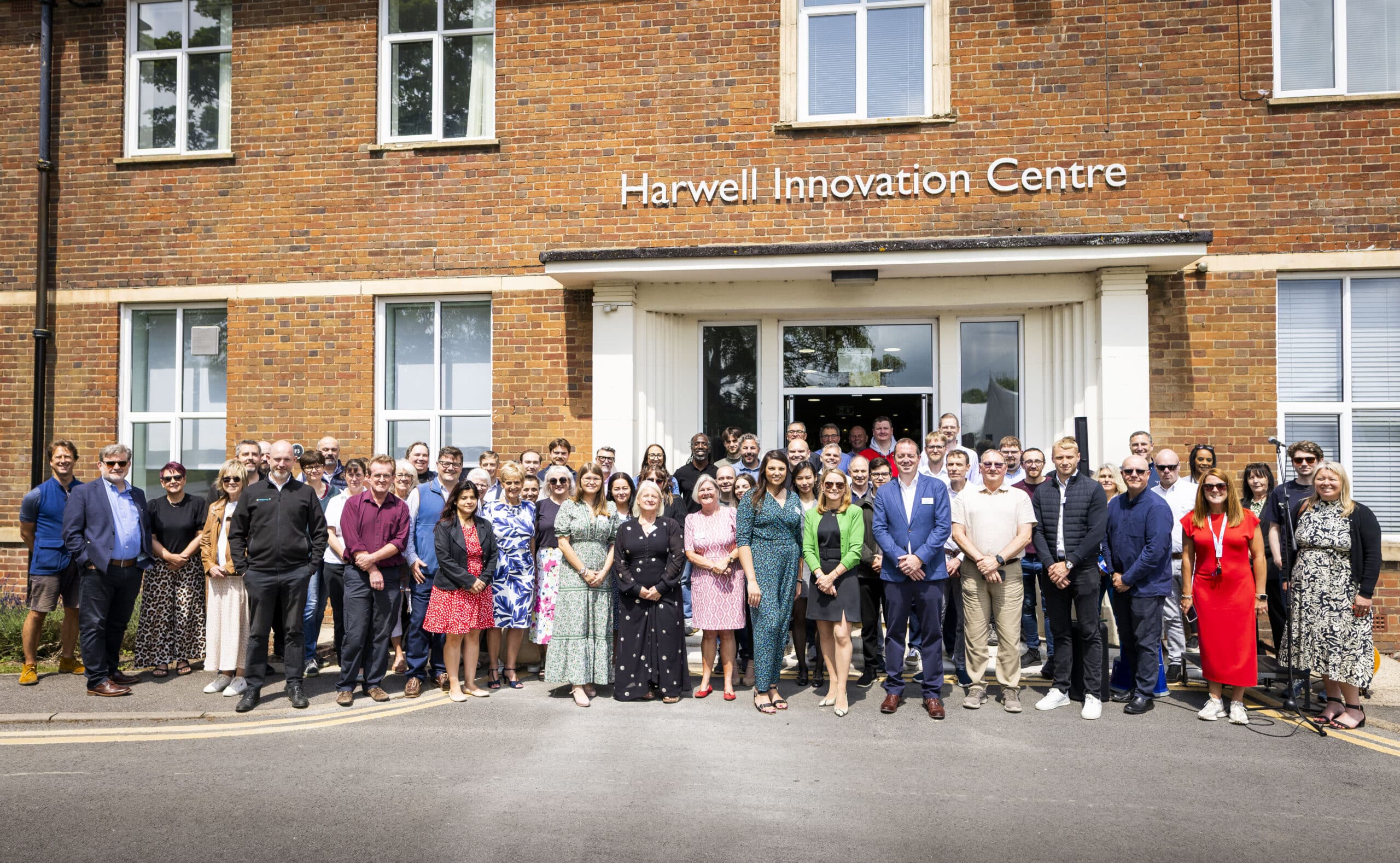
In the last 25 years, there have been some fundamental shifts in the attitudes to incubation space and the UK’s innovation ecosystem. There is now growing recognition of the role that innovation centres play in regeneration and economic development.

Women are a minority among angel investors, representing just 14 per cent of the 36,800 in the UK, according to data from the UK Business Angels Association. But what are the reasons and remedies for this imbalance? And why does it matter?

Many small and medium sized enterprises (SMEs) are playing an important role in developing important solutions to global environmental challenges such as energy consumption, carbon emissions, pollution, waste and sustainability.

Across the UK, it is compellingly the case that not enough capital flows into female-led businesses compared with male-led businesses. There is clearly a gender gap in terms of venture or early stage investment.

With the current economic climate in the UK and the new Chancellor’s first budget announcement in October, the investment landscape has become more challenging both for investors and early-stage businesses seeking funds.

Oxford Innovation was delighted to host a visit from the Chief Executive of the Confederation of British Industry (CBI), Rain Newton-Smith, and her colleague Kapila Perera, Head of Sharing Economy and Entrepreneurship at the CBI.

The Chancellor, Rachel Reeves, delivered her first budget statement on Wednesday (30 October 2024), declaring it to be a budget to fix the foundations of our economy and rebuild Britain.

Accessing finance remains one of the main barriers to growth for leaders of small and medium sized enterprises (SMEs) and it is a challenge that has two potential angles for intervention.